Newsroom
Charlotte Ryan on the stories that shape the songs
Written by Daylight - January 12, 2025
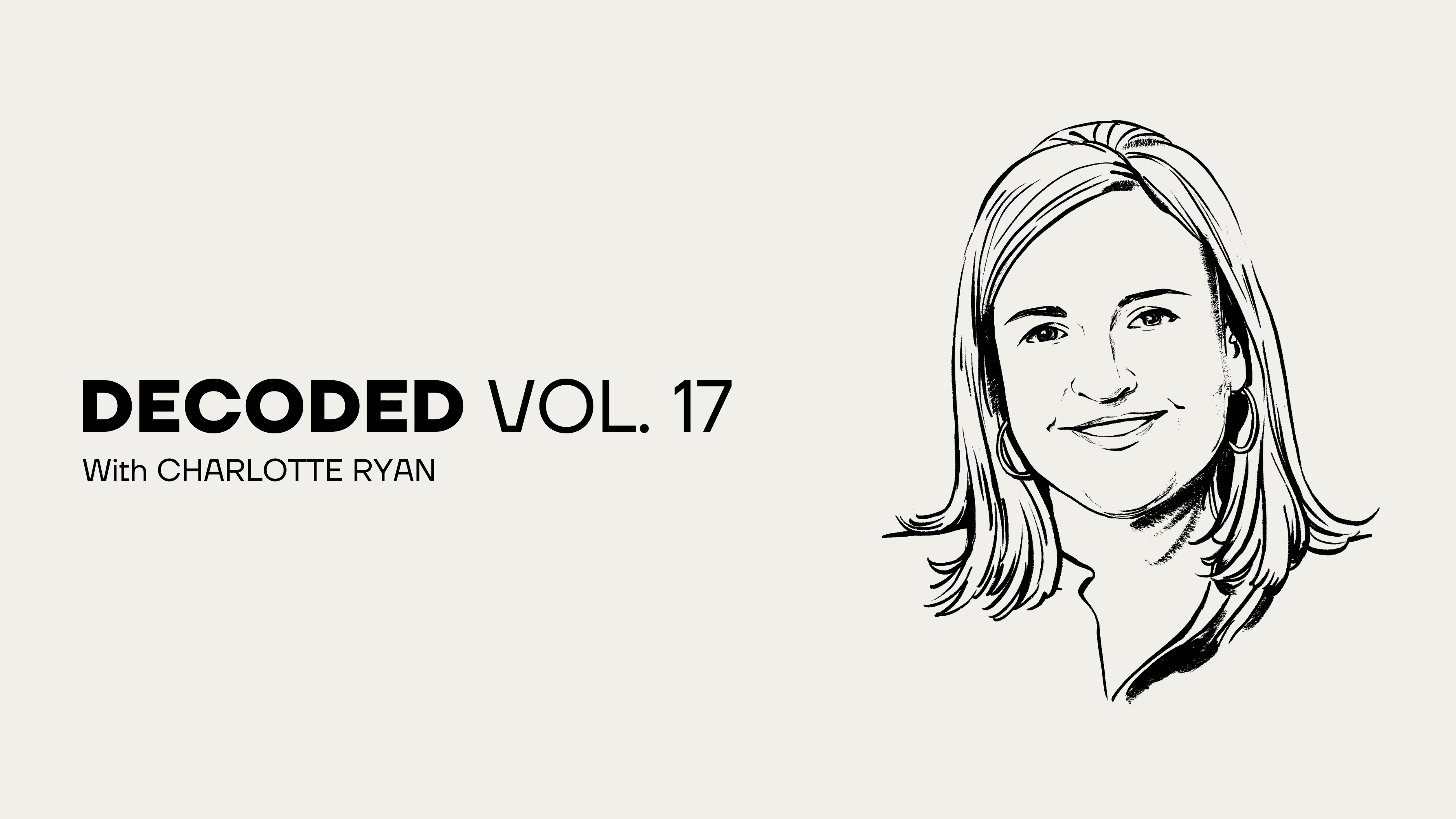
Before algorithms reshaped how we discover music, there were voices devoted to connection and asking thoughtful questions to tell the stories behind the songs. Charlotte Ryan is one of them. A much-loved and respected music journalist and broadcaster, she has spent years centring the people behind the music. Most recently, with her podcast, The Long Play, created in collaboration with The Spinoff and Daylight, which explores the warped history of vinyl in New Zealand.
In this edition of Decoded, Charlotte reflects on her path into music journalism, the shifting realities of the industry, and why human taste, storytelling and community still matter most.
How did you get started as a music journalist, and what did that path look like for you?
I fell into music journalism the way a lot of people fall into their great loves — by accident, and then very much on purpose. I was obsessed with music as a child, but during my time at Canterbury Uni, I volunteered at the student radio station RDU and quickly realised I loved the conversation around music just as much as the music itself.
From there, it grew into radio, long-form interviews, producing live sessions… all these little steps that added up to a career I never quite planned but absolutely love. My path has never been linear. It’s always been guided by curiosity and a genuine love of the people who make the music.
You've spent years telling the stories behind the music. What draws you to exploring why music comes out of people, beyond just the sound?
The sound is only half the story. I’m very fascinated by the why. Why the song was written, what someone was feeling while writing it, the emotions, and the message. To me, understanding the person behind the song makes the music hit deeper. It creates connections and makes us feel a little less alone. That’s the part of the job I love the most, those moments when an artist trusts you enough to share truth and authenticity.
You've seen the New Zealand music scene evolve over the years, most notably in streaming, replacing both radio and physical media. What's your view on the impact of that on artists?
Streaming is a mixed bag. It has opened doors for NZ Musicians - an artist in Aotearoa can reach listeners all over the world without needing a record label behind them. That’s incredible. And the deep NZ catalogue that is now available for us to listen to on streaming services and online is such a treasure.
Streaming has also made things tougher for musicians. The financial return is small. Approximately 100,000 new songs are uploaded to music streaming services each day, so there is a constant pressure for local musicians to be visible, to push themselves to feed the algorithm, to release more, faster, all the time.
The quality of music being made here in Aotearoa hasn't changed, though. I think it's getting stronger. New Zealand musicians are resourceful and resilient, but they deserve support that matches the scale of their work.
Your recent podcast, The Long Play, dives deep into the story of vinyl in New Zealand—what did you find most fascinating about our analogue past?
In the 1930s, New Zealand had bars dedicated to listening to records. At the time, record players were too expensive for people to have in their homes, so they would go to a local store, pay a small fee to go in and listen to vinyl.
What did The Long Play reveal to you about why we returned to vinyl?
.png&w=3840&q=75)
In a world where everything’s instant and disposable, vinyl feels grounding. It reconnects us to the ritual of listening, and I think people really crave that. It’s not just about the warmth of the sound, it’s the romance of it. The object. The artwork. The feeling of dropping the needle and giving a record your full attention. The comeback is a response to how digital life has sped everything up.
As streaming and AI change how we discover music, where do you think human taste and storytelling still fit in?
Taste comes from lived experience. It develops from heartbreaks, road trips, late-night gigs, friendships, memories and community. No machine can replicate that.
I think the rise of AI makes human curation more important, not less. We’re all craving voices we trust, people who can connect the dots, champion artists, and remind us why music and art matter.
Lastly, can you tell us about the Night Mayors panels you've been moderating and why they've been so important for our city?
The Night Mayors panels have felt really special to be part of. They’re about creating space for honest conversations around nightlife, culture, creativity and the people who actually make our city feel alive after dark. For a long time, the voices from artists, promoters, venue owners, DJs, and hospitality workers haven’t always been centred in decision-making, even though they’re shaping the heartbeat of the city every night.
What’s been powerful about these panels is bringing together people from different worlds and letting them actually listen to each other. Not in a corporate way, but in a human, grounded way.